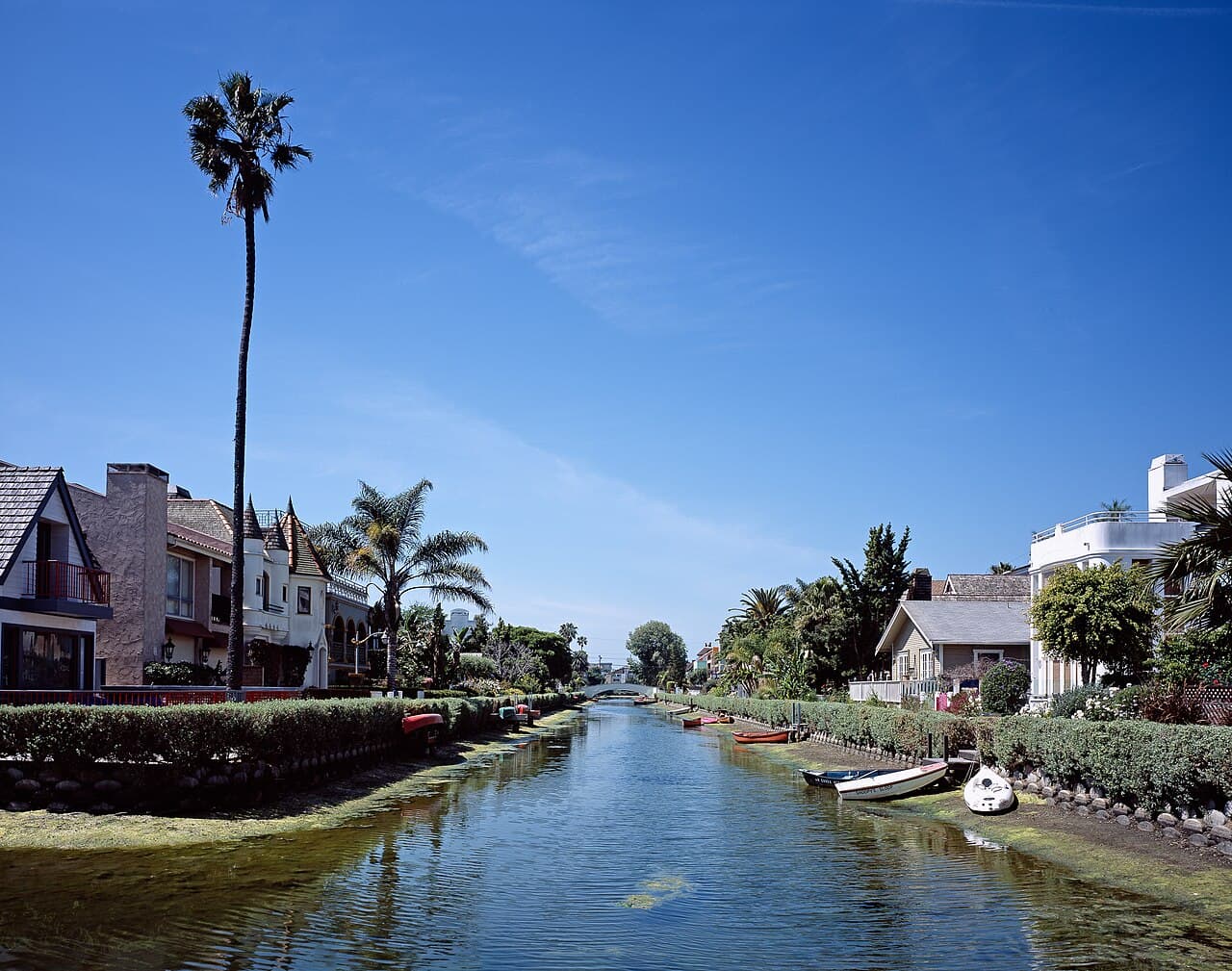
Introduction to the Venice Canal Historic District's Water Circulation System
The Venice Canal Historic District's water circulation system is a vital component of the area's ecosystem, providing a habitat for a diverse range of plant and animal species. The system consists of a network of canals, including the Grand Canal, Carroll Canal, and Linnie Canal, which are connected to the Marina del Rey and the Pacific Ocean. The canals are filled with a combination of freshwater and saltwater, which is regulated by the Washington Boulevard tide gates.
The Role of the Washington Boulevard Tide Gates
The Washington Boulevard tide gates are a critical component of the Venice Canal Historic District's water circulation system. The gates are designed to regulate the flow of water into and out of the canals, allowing for the exchange of freshwater and saltwater. During high tide, the gates open to allow saltwater from Marina del Rey to flow into the canals, while during low tide, the gates close to prevent the water from flowing out. This process helps to maintain a balance of freshwater and saltwater in the canals, which is essential for the health and well-being of the plants and animals that live there.
Environmental Preservation Efforts
The Venice Canal Historic District's water circulation system is not only important for the health of the ecosystem, but also for the preservation of the area's natural beauty. The City of Los Angeles has implemented a number of measures to protect the canals and the surrounding environment, including the use of natural filtration systems and the removal of invasive species. Additionally, the city has established a number of programs to educate the public about the importance of preserving the canals and the surrounding environment, and to promote sustainable practices and behaviors.
Image: Carol M. Highsmith, Library of Congress